Are you publishing content but not seeing the traffic or rankings you hoped for? You’re not alone. Many small business owners and budding entrepreneurs find themselves in the same boat. The truth is, creating content without a clear roadmap often leads to wasted effort and invisible pages.
The good news?
You can grab the SEO reins and steer your website towards higher rankings yourself. The solution isn’t just more content, but a powerful SEO content strategy. This strategy is your secret weapon to consistently rank higher, attract your ideal audience, and turn your website into a true asset.
In this guide, we’ll unpack:
- What an SEO content strategy really is, without the confusing jargon
- Why it’s absolutely critical for online visibility in today’s digital landscape
- A simple, step-by-step process for how to create a content strategy that ranks
- Essential (and often free) tools to help you succeed
Ready to transform your content strategy into a ranking machine?
Let’s dive in.
In This Article
- What Exactly Is an SEO Content Strategy? (Beyond the Buzzwords)
- The Pillars of a Powerful SEO Content Strategy
- How to Create an SEO Content Strategy: Your Step-by-Step Guide
- Step 1: Define Your Goals & Audience (The "Who" & "Why")
- Step 2: Master Keyword Research (Finding Your Opportunities)
- Step 3: Plan Your Content (What to Create & When)
- Step 4: Create High-Quality, Optimized Content (Writing for Humans & Google)
- Step 5: Promote Your Content & Build Authority (Getting Noticed)
- Step 6: Track, Analyze, and Refine (Continuous Improvement)
- Final Thoughts
- FAQs About SEO Content Marketing Strategies
What Exactly Is an SEO Content Strategy? (Beyond the Buzzwords)
An SEO content strategy is a plan for creating, publishing, and managing all your web content to improve your search engine rankings. You can think of it like the architectural blueprint for your online presence. Just as you wouldn’t build a house without detailed plans, you shouldn’t create content without a clear roadmap.
Here’s why it’s critical:
- Clarity and Direction: A content strategy for SEO gives purpose and direction to every piece of content you create. No more guessing what to write next.
- Targeted Audience: It ensures you’re reaching the right people with the right message, answering their specific questions, and addressing their pain points.
- Sustainable Growth: Rather than chasing fleeting trends, an SEO content strategy builds a long-term asset of high-ranking content that continuously drives free, organic traffic.
- Efficiency: By focusing your efforts on proven opportunities, you save countless hours and resources that might otherwise be spent on “invisible” content (aka, pages that don’t rank).
The Pillars of a Powerful SEO Content Strategy
Building a successful SEO content strategy is like constructing a house. Each level supports the ones above it, and if you skip a foundation element, the whole structure becomes unstable.
Let’s explore the 5 essential pillars that form the backbone of any winning strategy.
1. Audience Understanding & Search Intent
This is your foundation.
Before you write a single word, you need to know exactly who you’re talking to and why they’re searching. What keeps them awake at 3 AM? What problems are they desperately trying to solve?
Understanding search intent—whether someone is looking for information, trying to navigate to a specific page, or ready to make a purchase—determines everything from your content format to your call-to-action.
2. Keyword Research
Keywords are the bridge between what your audience is searching for and the content you create. But modern keyword research goes far beyond finding high-volume terms. It’s about identifying the specific language your audience uses, understanding the competitive landscape, and finding those golden opportunities where you can actually rank and win.
Spoiler alert: LowFruits makes it easy to find low-competition keywords, but you’ll learn more about that in Step 2.
3. Content Creation & Optimization
This is where strategy meets execution. Creating high-quality, search-friendly content that genuinely helps your audience while satisfying Google’s ranking factors. It’s the sweet spot where excellent user experience meets SEO best practices.
4. Content Promotion & Link Building
Even the best content needs a promotion strategy. This pillar focuses on getting your content seen by the right people and earning the high-quality backlinks that signal authority to search engines. It’s not about spammy link schemes; it’s about creating content so valuable that other websites naturally want to reference and link to it.
5. Performance Tracking & Iteration
What gets measured gets improved. This final pillar ensures you’re constantly learning from your results, identifying what’s working, and refining your approach based on real data rather than gut feelings, industry rumors, or SEO myths.
How to Create an SEO Content Strategy: Your Step-by-Step Guide
Follow these 6 simple steps to learn how to create a content marketing strategy that drives real results.
Step 1: Define Your Goals & Audience (The “Who” & “Why”)
Starting without clear goals is like taking a road trip without knowing your destination—you might end up somewhere interesting, but it probably won’t be where you need to go.
Begin by getting crystal clear on what you want to achieve with your content. Are you looking to drive more website traffic? Generate qualified leads? Increase sales of a specific product? Build brand awareness in a new market?
Each goal requires a different approach, so specificity is crucial.
Next, dive deep into understanding your target audience. Go beyond basic demographics like age and location. What are their biggest challenges? What questions do they ask Google when they can’t sleep? What solutions have they already tried that didn’t work?
Create detailed buyer personas that include their pain points, goals, preferred content formats, and the language they use to describe their problems.
Finally, sharpen your detective skills when it comes to figuring out search intent. Understanding why someone is searching is often more valuable than knowing what they’re searching for. Are they in research mode, trying to understand a problem? Are they comparing solutions? Are they ready to make a purchase?
Each stage of their journey requires different content, and mapping this out early will save you countless hours later.
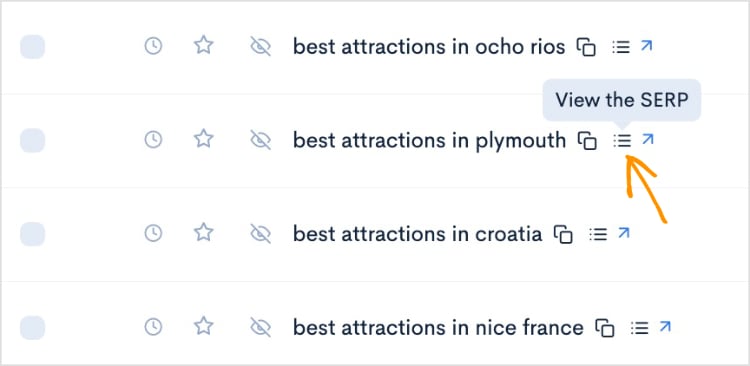
LowFruits makes determining search intent quick and easy. When you’re in the KWFinder tool, you can do a SERP analysis right from your keyword report. Just click the View the SERP button.
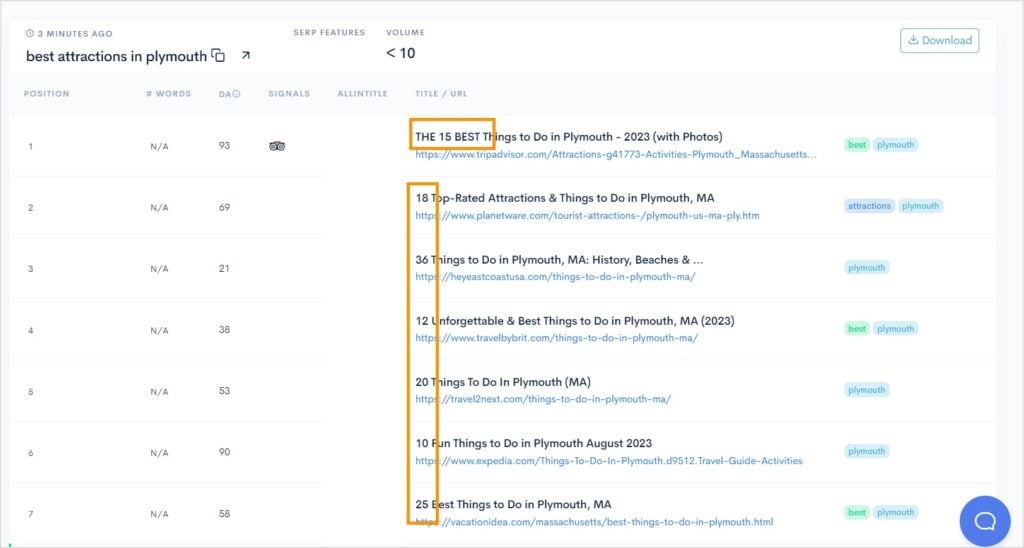
This will open a pop-out window, like the one below. Right off the bat, we can tell our focus keyword has informational intent. Users want to learn about attractions in Plymouth, so the content reflects different listicles. And if we wanted to rank for this keyword, it’d be wise to take the same approach.
Additional reading: See our picks of the best SERP analysis tools. These recommendations streamline the SERP analysis process, helping you determine search intent in less time.
Step 2: Master Keyword Research (Finding Your Opportunities)
Keyword research is where many content creators either strike gold or waste months chasing impossible targets. The goal isn’t to find the highest-volume keywords—it’s to discover high-value, low-competition opportunities where you can rank and drive meaningful traffic.
Start with brainstorming sessions. What terms would your ideal customer use to find your business? What questions do they ask during sales calls? What language do they use in customer support tickets?
This initial brainstorm often reveals golden long-tail keywords that your competitors completely overlook.
From here, you’ll want to plug your keyword ideas into a keyword research tool.
LowFruits is one of the best long-tail keyword research tools. After performing a search, you’ll access proprietary metrics, such as:
- SERP Difficulty Score (SD): The LowFruits metric for keyword difficulty. 1 is easy, 3 is hard.
- Weak Spots: Low-authority competitors ranking in the top 10 search results.
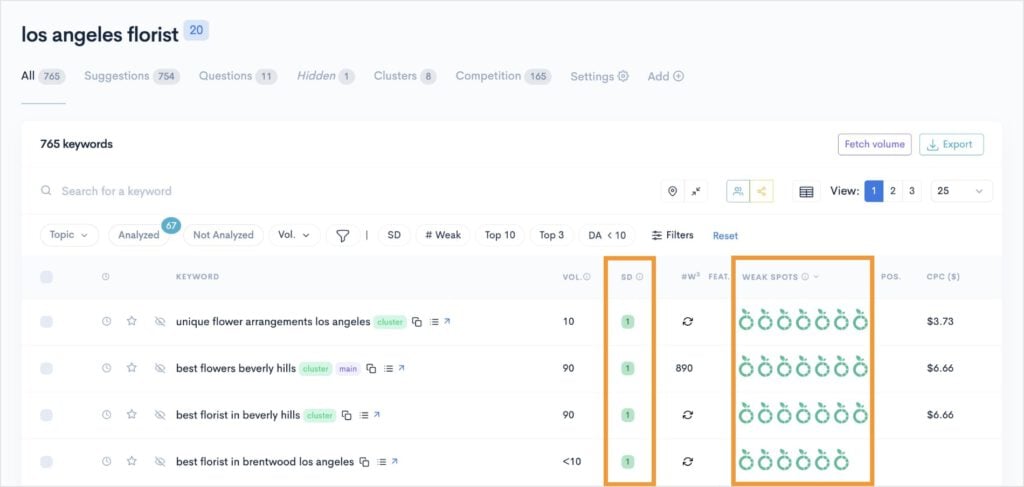
When you look for low SD scores and multiple Weak Spots, you’ve struck gold. These keywords are quick SEO wins, even for small or new websites.
Some additional SEO keyword research tools include:
- Google Trends: See the popularity of search terms over time and identify seasonal trends or emerging topics.
- Google Ads Keyword Planner: A free tool for keyword ideas, search volume, and competition levels.
- Google Search: Use Autocomplete and the “People also search for” sections at the bottom of results for fresh ideas.
Once you’ve found the right keywords to target, you’re ready for our next step.
Step 3: Plan Your Content (What to Create & When)
With your keywords and audience insights in hand, it’s time to plan your content.
- Content Audit: If you have existing content, review it. Can it be updated, expanded, or repurposed to target new keywords?
- Content Calendar: Organize your content ideas using a calendar. Map out topics based on your keyword research, audience needs, and business goals.
- Content Formats: Analyze the SERPs for your target keywords. Do top results primarily feature blog articles, videos, product pages, or listicles? Align your format with what Google already “wants” to show.
- Content Briefs: For each piece, create a brief outlining the target keyword, main points to cover, key competitors to analyze, and internal linking opportunities.
Certain tools can aid in this process. My favorite for content planning is SEOBoost, particularly its Topic Report feature. This tool analyzes the top-ranking content and presents its findings in a user-friendly format.
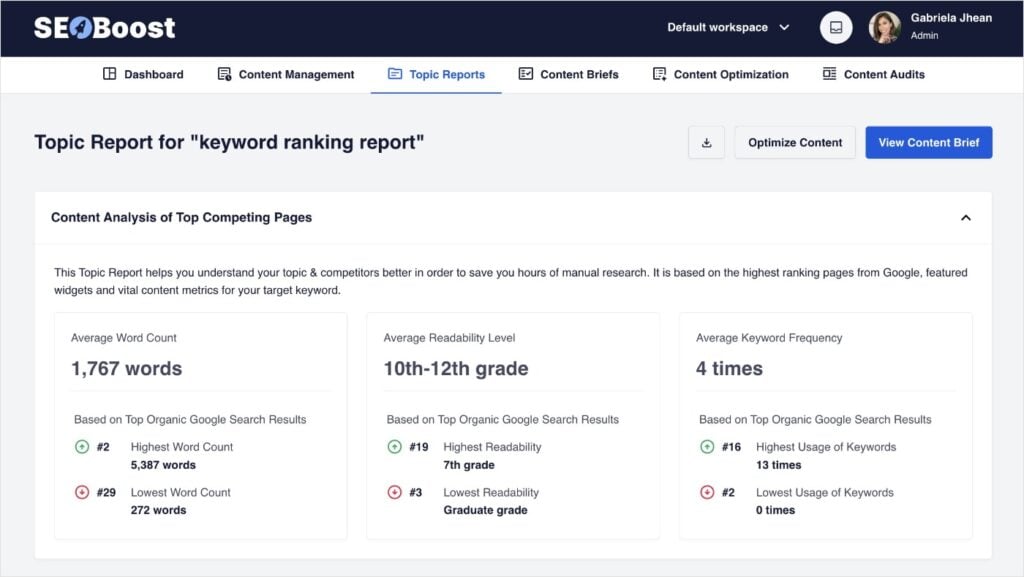
You get everything from average word counts to readability level and keyword density.
It’s a quick way to guide your content creation efforts for maximum impact with users and search engines.
You can also build Content Briefs directly in the platform, meaning you don’t have to jump between tools.
Related reading: How to Improve Your Readability Score
Step 4: Create High-Quality, Optimized Content (Writing for Humans & Google)
This is where your SEO content strategy comes to life.
Focus on creating valuable, high-quality content that truly addresses user needs. Always write for people first, but don’t forget about search engines. Here are some key areas to optimize:
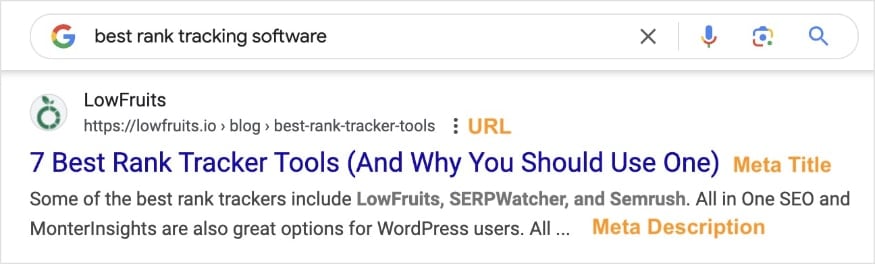
Metadata:
- SEO Titles: The blue clickable link in search results. Keep it under 60 characters and make it enticing to earn clicks.
- Meta Descriptions: The text summary below your title. Make it under 160 characters and provide a compelling, accurate preview.
- URL Slug: Make your URL slug concise, clear, and keyword-rich. It should be easy to read.
Content Optimizations:
- H1 Title: Your main page title. Have only one per page, and it should accurately reflect the content and include your primary keyword.
- Header Tags (H2, H3, etc.): Subheadings that break up content into logical sections, making it easier to read and helping search engines understand your page’s structure. Include keywords naturally here.
- Body Copy: Naturally incorporate your target keywords throughout the main text. Avoid keyword stuffing, which can actually hurt your rankings.
- Image SEO: Search engines can’t “see” images, so use descriptive image file names and alt text. Compress images to improve site speed.
- Readability: Make your content easy for users to digest. Use simple language, short paragraphs, lists, white space, and multimedia elements.
- Internal Linking: Link relevant pages within your site using descriptive anchor text (the clickable text of your hyperlink). This aids content discovery and helps search engines understand how your pages are connected.
SEOBoost can help with content optimizations, too.
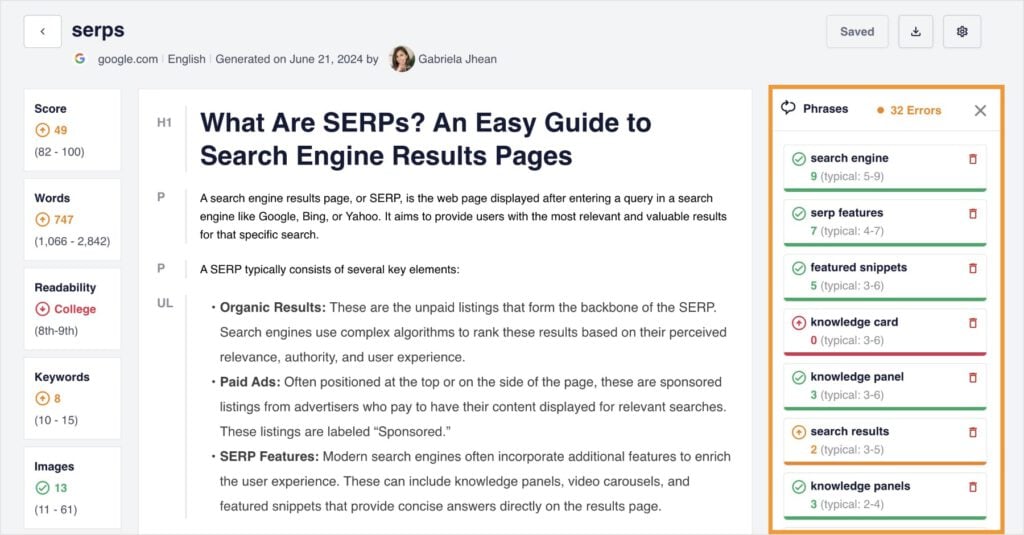
It has a similar layout to Google Docs, Microsoft Word, and Apple Pages. You can type (or paste) your text into the document, and SEOBoost will analyze your keyword optimizations. I like how it gives real-time feedback, so you know exactly what needs tweaking.
If you’re a WordPress user, you can also use SEOBoost in the All in One SEO (AIOSEO) plugin.
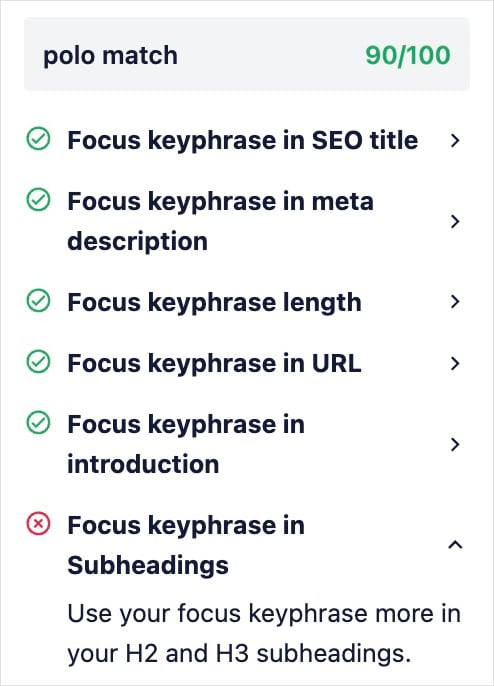
Furthermore, AIOSEO has a TruSEO tool that checks for your focus keyword in all the most important areas. I like how it’s a final check of your on-page SEO, making you confident in your optimizations before hitting publish.
Step 5: Promote Your Content & Build Authority (Getting Noticed)
Creating great content is only half the battle; you also need to get it noticed. This involves a few different methods to maximize your content’s reach.
Here are some promotional strategies that shouldn’t be skipped:
- Social Media: Tailor your content to each platform’s audience and content preferences. What works on LinkedIn might fall flat on Instagram, so adapt your promotion strategy accordingly.
- Online Directories: For local businesses, directory listings provide easy backlink opportunities. These citations signal to search engines that your business is legitimate and established in your community.
- Guest Blogging: Writing articles for other relevant websites in your industry can earn you backlinks and expose your brand to new audiences. Focus on contributing genuinely helpful content to reputable sites in your niche rather than churning out promotional pieces for any site that will accept them.
The key to successful link building is focusing on quality over quantity. One backlink from a respected industry publication is worth more than dozens of links from low-quality directories or spam websites.
Step 6: Track, Analyze, and Refine (Continuous Improvement)
Without tracking, you’re flying blind. Monitoring your SEO performance tells you what’s working, what isn’t, and where to focus your future efforts. This data-driven approach separates successful SEO strategies from expensive experiments.
Luckily, the LowFruits Rank Tracker makes this process effortless. Set up only takes a few seconds (you just tell it which keywords to track), and Rank Tracker will extract their positions in Google over time.
You get this data in an intuitive dashboard that makes data analysis a piece of cake.
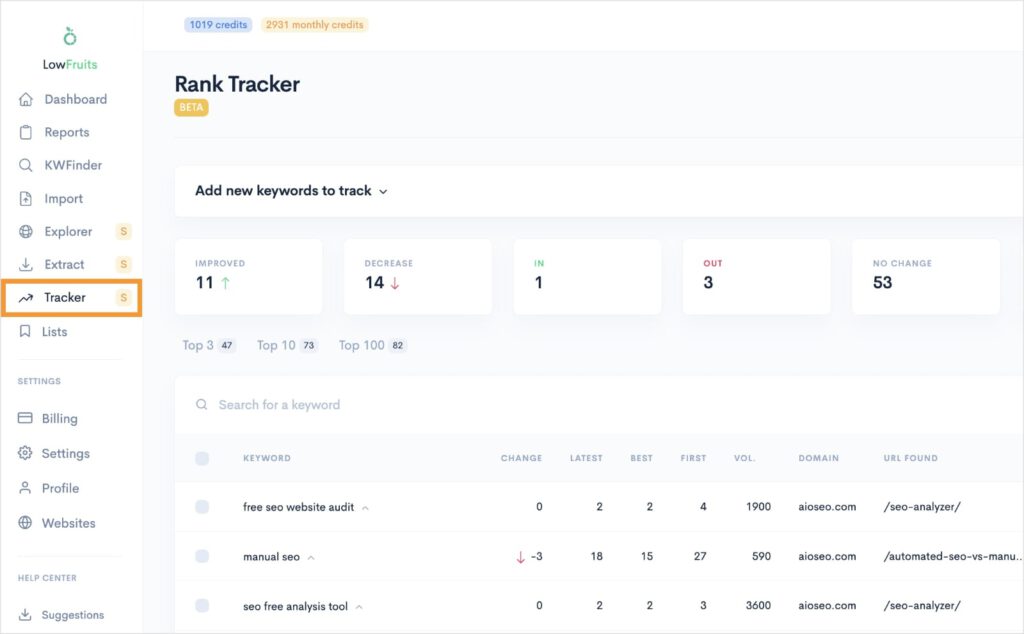
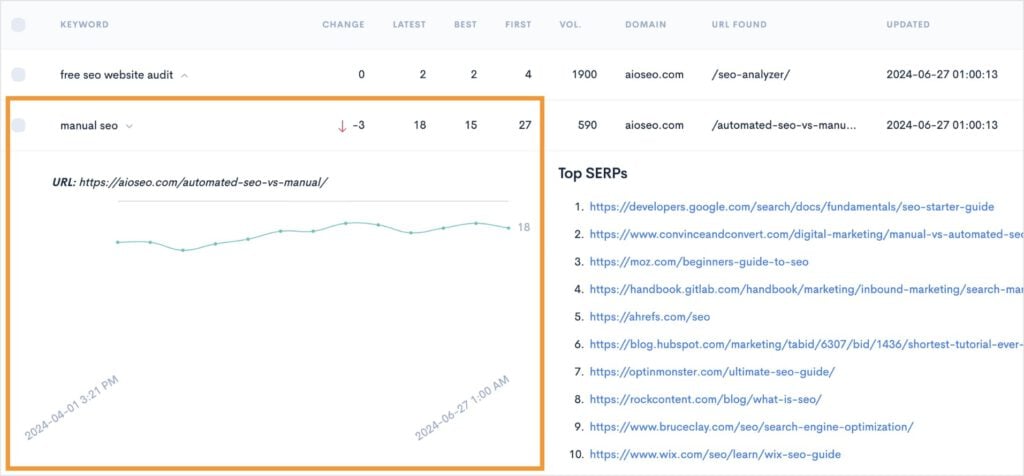
I also like how you can expand a keyword to see its position history over time. This makes it easy to pinpoint significant changes in your content and keywords’ performance.
In addition to LowFruits, you can also use the following SEO tools to monitor important keyword metrics:
- Google Search Console (GSC): Your free “SEO command center”. GSC tells you if Google is having trouble indexing your pages (meaning they’re invisible in search results). It also shows you which queries are driving traffic to your site and how your average position changes over time.
- Google Analytics (GA4): Another free tool to see who’s visiting your website and how they’re getting there. Focus on “Organic Search” traffic to see if your efforts are bringing in more free visitors from search engines.
- AIOSEO Search Statistics: This feature of AIOSEO integrates your WordPress site with Search Console, so you’ll get GSC data right in WordPress.
By regularly analyzing metrics like organic traffic, ranking position, and clickthrough rate (CTR), you can make informed decisions to enhance your online visibility and drive sustained organic growth.
Final Thoughts
Way to go! You’ve just taken your first steps into understanding how to create a content strategy for SEO. You’re now equipped with the knowledge to start making a real difference in your website’s visibility online.
The most important takeaway?
Give it time. An effective SEO content strategy doesn’t happen overnight. And results won’t either. Be patient, trust the process, and refine your strategy as needed.
I recommend getting started with the basics, like keyword research. Take action, and then move on to the next. Little by little, you’ll build momentum, and you’ll start to see your website gaining traction in search results.
FAQs About SEO Content Marketing Strategies
What is an SEO content strategy?
An SEO content strategy is a comprehensive plan for creating, publishing, and managing all your web content to improve search engine rankings and achieve specific business goals. It ensures that every piece of content serves a purpose and helps you get found online.
How do I create a content marketing strategy for SEO?
To create a content marketing strategy for SEO, follow a step-by-step process that includes defining your goals and audience, mastering keyword research (especially finding low-competition keywords), planning your content, creating high-quality and optimized content, promoting your content and building authority, and finally, tracking and refining your efforts.
Why is an SEO content strategy important for my business?
An SEO content strategy is critical for your business because it provides clarity and direction for your content efforts, helps you target your ideal audience, supports sustainable organic growth, and increases efficiency by focusing resources on content that can rank and drive traffic. It’s essential for getting found online and helps your website in Google.
What are the key components of a successful SEO content strategy?
The key components of a successful content strategy for SEO include understanding your audience and search intent, performing thorough keyword research, creating and optimizing high-quality content, promoting your content and building backlinks, and continuously tracking performance to iterate and improve. These elements work together to form a strong and balanced SEO strategy.
What are some recommended SEO content marketing tools?
Some recommended tools for your SEO content marketing strategy include:
- For Performance Tracking: Google Search Console (GSC) to monitor impressions and clicks , Google Analytics (GA4) for organic traffic , and LowFruits Rank Tracker to monitor specific keyword positions over time.
- For Keyword Research: Google Trends , Google Ads Keyword Planner , and LowFruits for finding low-competition keywords and “Weak Spots”.
- For Content Optimization: SEOBoost for on-page SEO insights and content analysis, and All in One SEO for WordPress users to check readability and keyword density.